Identifying Potential Bat Roost Tress in Michigan
October 14, 2026

1 min read
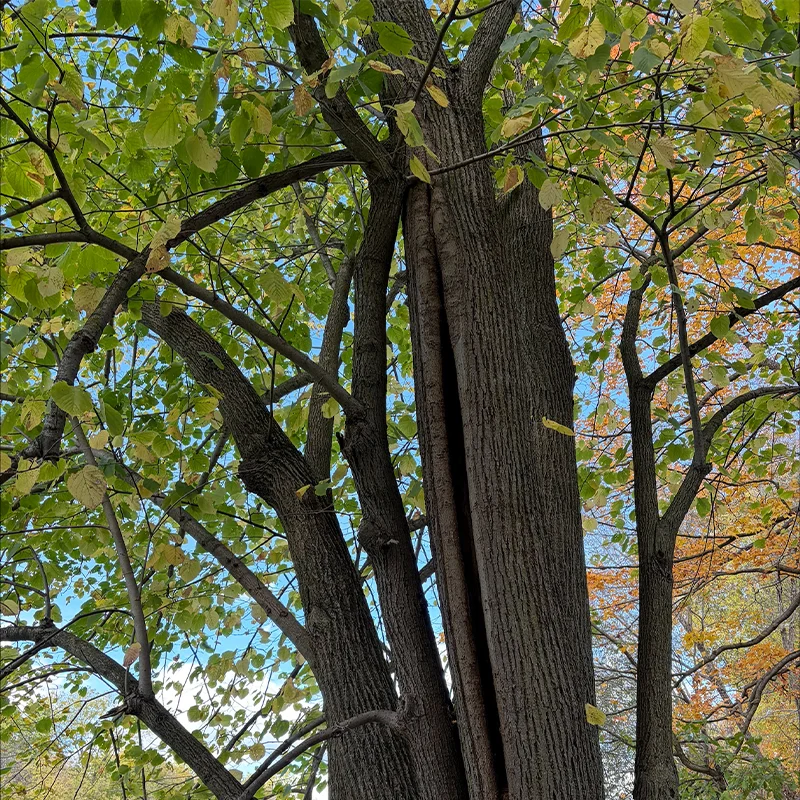
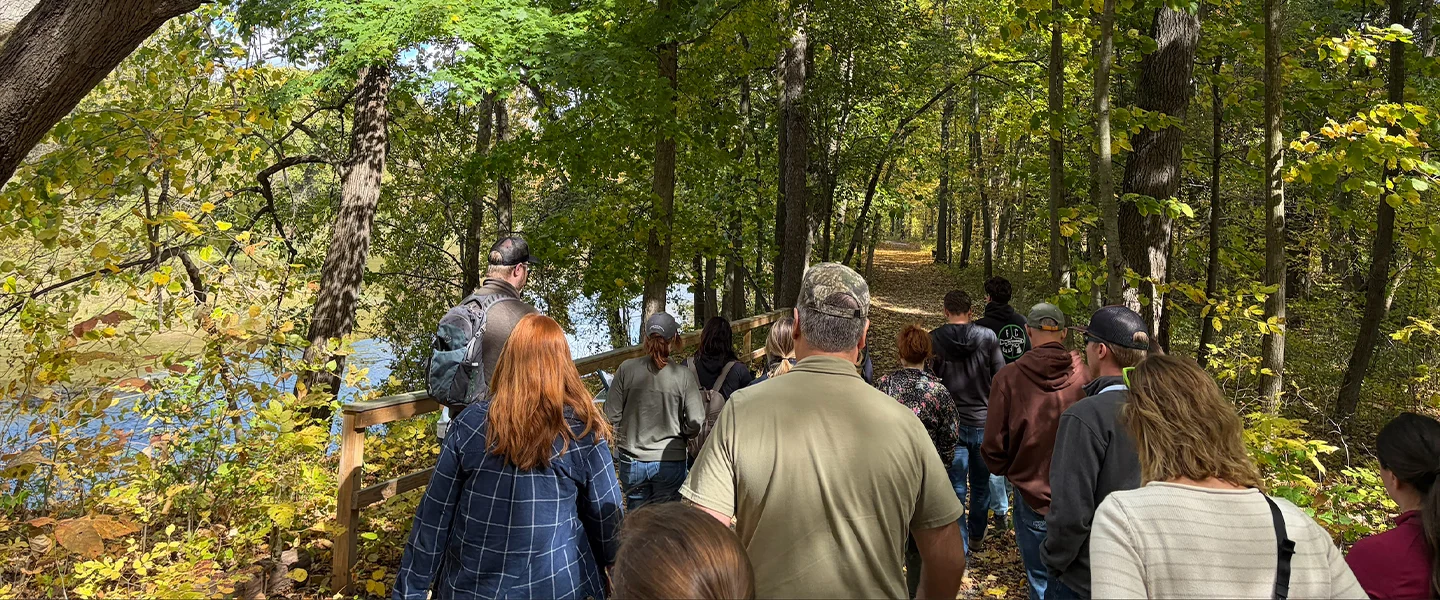
ASTI recently attended the Michigan Wetlands Association’s (MWA) “Bats in Bark: Finding Potential Bat Roost Trees” field trip at Chippewa Nature Center. Led by bat expert Nicolette Sexton of the Michigan Natural Features Inventory, the guided hike focused on identifying potential summer bat roosting trees in floodplain and upland forests.
Participants explored key characteristics of suitable roosting trees, including tree species, size, decay, cavities, loose or peeling bark, sun exposure, and proximity to waterways. Identifying potential bat roosting habitat is an important step in protecting threatened and endangered bat species and navigating federal regulatory requirements for projects involving tree removal.
The field trip provided a valuable opportunity for our team to learn directly from an expert and strengthen the knowledge we apply to threatened and endangered species surveys. Through continued education and field training, ASTI remains committed to helping clients navigate environmental regulations while protecting sensitive wildlife habitats.